
 varsha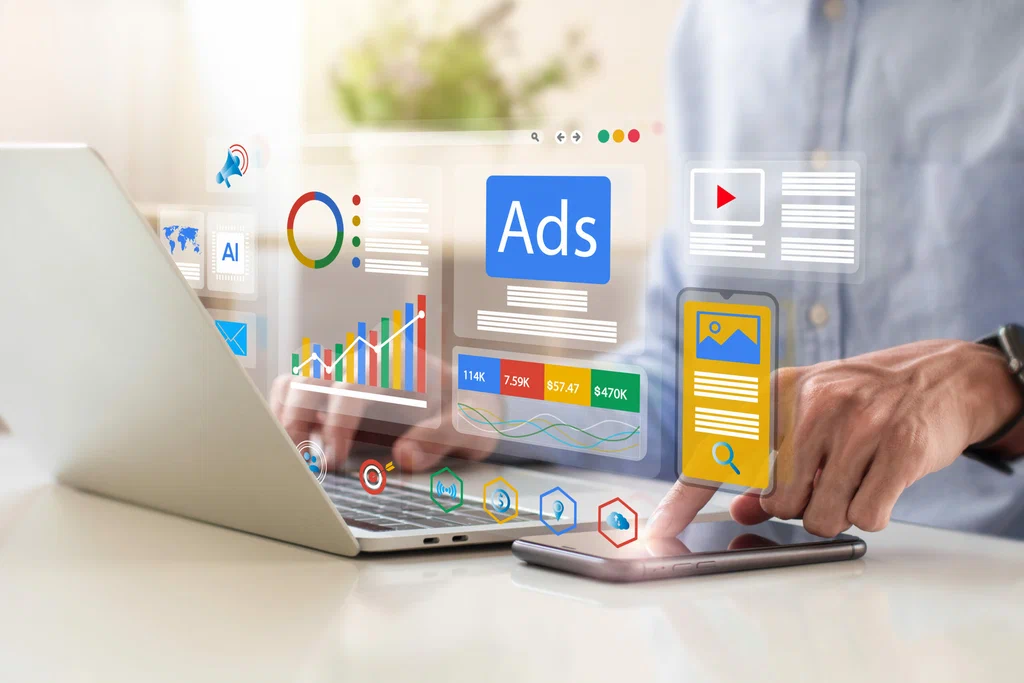
If you have been managing a business Facebook page, you have probably noticed a frustrating trend: fewer and fewer people are seeing your posts. Organic reach on Facebook has been declining steadily for years, and in 2026, it sits at historic lows. For most business pages, organic posts reach between one and five percent of their followers.
This decline is not accidental. It is the result of deliberate algorithm changes, increasing competition for News Feed space, and Facebook’s business model, which prioritises paid content distribution. Understanding this shift is essential for any business relying on social media marketing.
The Decline of Organic Reach
Facebook’s algorithm prioritises content from friends and family over business pages. The platform has made this clear through multiple updates over the past several years. Combined with the sheer volume of content published every day, business posts simply cannot compete for attention without paid support.
This does not mean organic content is worthless. A strong organic presence builds credibility, provides social proof, and gives potential customers a place to learn about your brand. But relying solely on organic reach to drive business results is no longer a viable strategy.
Why Facebook Ads Are Now Essential
Facebook Ads solve the reach problem by guaranteeing your content is seen by your target audience. But the benefits go far beyond just visibility.
Precise targeting allows you to reach people based on demographics, interests, behaviours, and life events. You can target homeowners in a specific postcode, parents of toddlers, or people who have recently started a new business. This level of precision is impossible with organic content.
Measurability is another significant advantage. Every aspect of a Facebook Ad campaign is trackable, from impressions and clicks to conversions and revenue. You know exactly how much you are spending and what you are getting in return.
Scalability sets paid social apart from organic efforts. Once you find an ad combination that works, you can increase your budget to reach more people and generate more results. Organic content has no such lever. You cannot simply post more to reach more people.
The Integration of Paid and Organic
The most effective social media strategies combine paid and organic efforts. Organic content serves as the foundation of your brand presence. It builds community, showcases your brand personality, and provides content for potential customers researching your business.
Paid advertising amplifies your best content and ensures it reaches the right people at the right time. Use organic performance as a testing ground. Posts that perform well organically are strong candidates for paid promotion.
Retargeting bridges the gap between paid and organic. People who engage with your organic content can be targeted with paid ads, creating a seamless journey from casual follower to paying customer.
Common Objections Addressed
Some business owners resist paid social media, citing cost concerns or a belief that their content should succeed on its own merits. The reality is that Facebook is a pay-to-play platform for businesses, and the cost of not advertising is often greater than the cost of advertising.
Investing in professional Facebook Ads services ensures your advertising budget is spent efficiently. Expert management covers audience research, creative development, campaign optimisation, and performance reporting, all of which contribute to a stronger return on investment.
Consider the opportunity cost: if your competitors are running Facebook Ads and you are not, they are capturing the attention and business of your shared audience while you wait for organic posts to gain traction.
What Businesses Should Do Now
Accept that organic reach alone will not drive meaningful business results on Facebook. Allocate a portion of your marketing budget to paid social advertising and treat it as an essential channel rather than an optional add-on.
Start with a modest budget focused on your highest-priority business objectives. Test different audiences, ad formats, and messaging to identify what resonates with your target market. Scale what works and cut what does not.
The businesses that thrive on Facebook in 2026 are those that embrace the paid model while maintaining an authentic organic presence. It is not either-or. It is both, working together strategically.

 samanvya